This summer, fans around the world have been captivated by the excitement, passion, and drama of the FIFA World Cup. As the tournament showcased the highest levels of athletic performance and national pride, it also reminded us that behind every great moment on the field is a person navigating pressure, expectations, relationships, setbacks, and personal growth. Now, as fall arrives, anticipation continues to build across the sports landscape. College campuses are welcoming the return of football, professional teams are beginning new seasons, and baseball fans are turning their attention toward the excitement of playoff races. For many athletes, coaches, and organizations, this transition marks another chapter filled with opportunities, challenges, and high expectations.
When most people think about sports, they picture competition, championships, and athletic achievement. What they may not see are the personal challenges athletes face behind the scenes: anxiety, injury recovery, identity development, family pressures, team conflict, academic stress, and the ongoing pursuit of mental well-being.
As sports organizations increasingly recognize the importance of supporting the whole person, a professional specialty has emerged at the intersection of athletics and helping professions: Sport Social Work. This growing field combines the values, knowledge, and skills of social work with the unique needs of athletes, teams, and athletic organizations. Sport social workers help athletes navigate life’s challenges, promote mental health and wellness, advocate for equitable and supportive environments, and strengthen communities through sport. From K-12 schools and community recreation programs to colleges, universities, and professional sports organizations, sport social workers are playing an increasingly important role in fostering healthy athletic cultures.
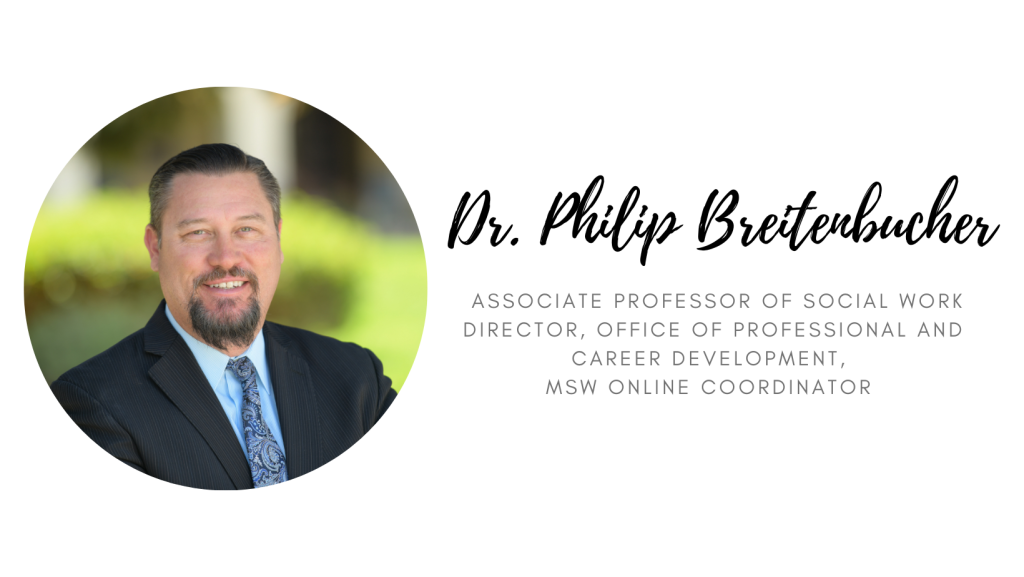
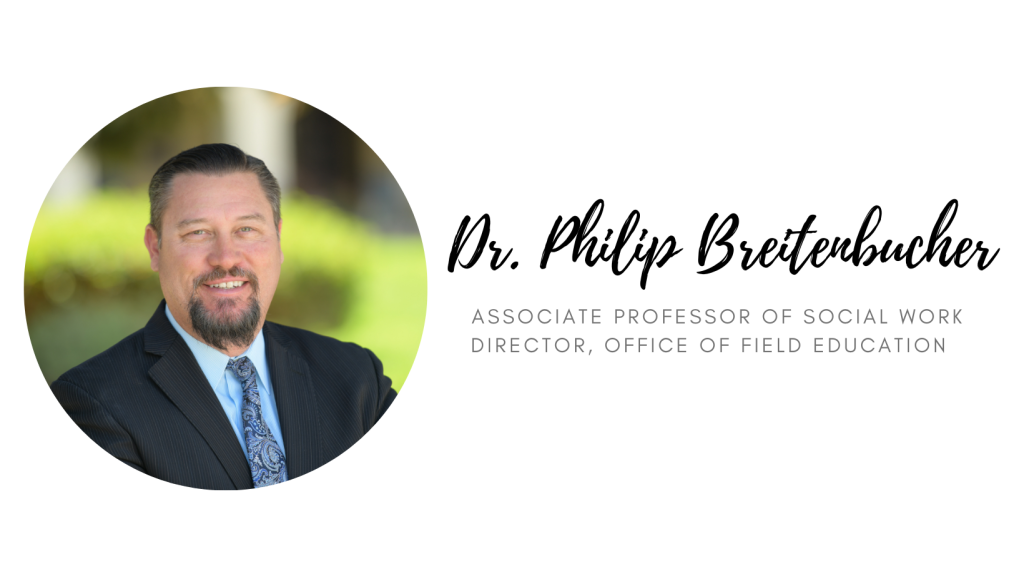
At California Baptist University (CBU), faculty and students have been actively contributing to the growth of this emerging profession. Over the past several years, the Division of Social Work has intentionally expanded opportunities for students interested in working within athletic settings through specialized coursework, field education partnerships, and interdisciplinary collaboration. In 2025, CBU launched SWK 400: Sport Social Work, an undergraduate elective developed by Associate Professor Philip Breitenbucher in collaboration with Sport and Performance Psychology Professor Ed Garrett. The course introduces students to athlete well-being, sport social work theory, clinical interventions, advocacy, policy, and interdisciplinary practice while preparing them to address the unique challenges facing athletes and athletic communities. At the same time, CBU’s MSW program has been developing sport-focused practicum placements that allow students to gain hands-on experience in schools, colleges, and community-based athletic programs.
This four-part blog series highlights the exciting development of sport social work at CBU while showcasing the experiences, opportunities, and lessons emerging from this growing area of practice. Whether during a World Cup match, a Friday night football game, a college rivalry, or a postseason baseball run, the stories we celebrate in sports are ultimately stories about people. Sport social work helps ensure those individuals are supported not only as athletes, but as whole people.
Part 1: Building the Future of Sport Social Work: Why Practicum Experiences Matter
The first article examines recent research exploring the practicum experiences of social work students in sport settings. Drawing on insights from professionals in the field, Breitenbucher, Beasley & Cox discuss how students find placements, the skills they develop, the barriers they encounter, and the critical role field education plays in preparing the next generation of sport social workers. Readers will gain a broader understanding of the opportunities and challenges associated with building a workforce dedicated to athlete well-being.
Part 2: My Experience as a School-Based Sport Social Work Intern
In the second installment, MSW student Dominique Dennis shares a first-hand account of her internship experience working with student-athletes in a school setting. Through workshops, individual support sessions, and direct engagement at practices and competitions, she discovered the powerful connections between mental health, communication, emotional regulation, and athletic performance. Her reflections offer an authentic look at what sport social work looks like in practice and the meaningful impact it can have on young athletes.
Part 3: Identity, Adversity, and Purpose: How Sport Shaped My Doctoral Journey
In the third installment, doctoral candidate Jonathean Reese shares how sport has influenced his personal identity, professional practice, and scholarly research. Reflecting on his experiences as an athlete, an injury that ended his basketball career, and his work in child welfare, Reese examines the powerful relationship between structure, resilience, and identity development. He also introduces the R.E.A.C.T. framework, an innovative sport and movement-based intervention designed to help foster youth build emotional regulation, stability, and well-being. His story demonstrates how lived experience and social work scholarship can come together to create meaningful solutions for vulnerable populations.
Part 4: Decide Who You Are Beyond the Game: A Journey into Social Work, and Social Innovation
The final article features doctoral candidate and social worker Kristie Allison, who explores one of the most important questions many athletes eventually face: Who am I beyond my sport? Drawing on her experiences as a foster family social worker, parent, researcher, and founder of the Sports Social Work Network (SSWN), Allison examines athletic identity, career development, mentorship, and the challenges athletes from under-resourced communities face. She shares how her doctoral research inspired the creation of innovative programs designed to help athletes discover their strengths, purpose, and opportunities beyond competition, reminding readers that an athlete’s greatest potential extends far beyond the final whistle. [
Looking Forward
Sport has always had the power to shape lives. As this series demonstrates, social work is helping ensure that those lives are supported not only as athletes but as whole people. Through education, advocacy, research, and direct practice, California Baptist University is helping prepare a new generation of professionals ready to make a difference wherever sports and human well-being intersect.
Looking ahead, the future of sport social work is filled with opportunity. As awareness of athlete mental health, well-being, identity development, and social support continues to grow, so too does the need for professionally trained social workers who understand the unique realities of athletic environments. Schools, colleges, community sport organizations, and professional teams are increasingly recognizing that excellence in sport depends not only on physical performance but also on creating cultures that foster resilience, belonging, and holistic well-being.
For California Baptist University, this presents exciting opportunities to further expand sport-focused practicum placements for MSW students. By strengthening partnerships with K-12 school districts, collegiate athletic departments, community recreation programs, and sport-based nonprofit organizations, CBU can continue creating meaningful field education experiences that allow students to apply social work knowledge and skills in innovative settings. These placements not only enhance student learning but also help address the growing demand for mental health and support services within athletic communities.
The continued growth of the profession also depends on collaboration. Organizations such as the Alliance of Social Workers in Sports have emerged as important leaders in advancing professional standards, networking opportunities, interdisciplinary partnerships, and advocacy efforts. By partnering with the Alliance, universities, practitioners, and students can contribute to a broader movement dedicated to expanding the visibility and impact of sport social work while creating pathways for future professionals to enter the field.
Equally important is the development of a strong body of scholarship that advances evidence-informed practice. As more practitioners and researchers explore topics such as athlete mental health, sport culture, social justice in athletics, injury recovery, career transitions, and community impact, there is a growing need for outlets that elevate and disseminate this work. The Sport Social Work Journal provides an important platform for fostering scholarly dialogue, sharing innovative practices, and building the knowledge base that will guide the profession for years to come. Through faculty and student research, interdisciplinary collaboration, and community-engaged scholarship, CBU is well-positioned to contribute to this expanding conversation.
Ultimately, the future of sport social work will be shaped by educators, students, researchers, practitioners, and athletic leaders who share a common belief: that supporting athletes means supporting the whole person. By investing in field education, professional partnerships, and scholarly inquiry, we can continue building a profession that enhances athletic experiences, strengthens communities, and promotes human well-being far beyond the final whistle.